 Learning and Teaching
Learning and Teaching > Curriculum
Our school mainly enrolls students with physical disabilities and multiple impairments, resulting in significant differences in learning among students. Driven by the mission of the Hong Kong Red Cross School, our school is committed to resource allocation and offers four sets of curriculums: Mainstream Curriculum (Secondary), Mainstream Curriculum (Primary), School-based Adapted Curriculum and Adapted Curriculum (Curriculum for Moderate Intellectual Disabilities. With the aim of catering to the diverse learning needs of students, we hope to fully develop students' strengths to ensure their academic success.
Hyperlink:
Mainstream Curriculum
Introduction to Mainstream Curriculum (Primary)
he Primary Regular Curriculum consists of a six-year program from Primary 1 to Primary 6. The curriculum is designed with a focus on holistic education, aiming to cultivate students' knowledge, skills, and values. In our school, the primary subjects include Chinese, English, Mathematics, General Studies (which will be split into Science and Humanities), Visual Arts, Music, Physical Education, Reading, Computer Studies, and Putonghua. Primary education emphasizes a solid foundation in knowledge while also focusing on the holistic development of students. Through diverse teaching methods and activities, it aims to stimulate students' learning interests and potential.
|
|
P1 |
P2 |
P3 |
P4 |
P5 |
P6A1 |
P6A2 |
|
Chinese Language |
|
|
|
|
|
|
|
|
English Language |
|
|
|
|
|
|
|
|
Mathematics |
|
|
|
|
|
|
|
|
General Studies |
|
|
|
|
|
|
|
|
Computer Studies |
|
|
|
|
|
|
|
|
Putonghua |
|
|
|
|
|
|
|
|
Physical Education |
|
|
|
|
|
|
|
|
Visual Arts |
|
|
|
|
|
|
|
|
Music |
|
|
|
|
|
|
|
|
Physical and Arts Activities |
|
|
|
|
|
|
|
|
Reading |
|
|
|
|
|
|
|
|
Weekly Meeting |
|
|
|
|
|
|
|
|
Class Teacher Lesson |
|
|
|
|
|
|
|
|
Non-Chinese Language Support |
|
|
|
|
|
|
|
Introduction to Mainstream Curriculum (Secondary)
In line with the Education Bureau's latest seven learning goals for secondary education and considering students' abilities, interests, and needs. The secondary school curriculum aims to enhance students' lifelong learning and self-directed learning abilities throughout their years of study. Students' learning experiences include knowledge in different key learning areas, generic skills, values and attitudes. Through the five essential learning experiences integrated in the curriculum, students are encouraged to promote holistic development, cultivate lifelong learning, and develop the ability to "learn how to learn," ultimately achieving the seven learning goals.
Junior Secondary Curriculum:
The knowledge foundation of the junior secondary curriculum is primarily composed of eight key learning areas, with generic skills, values, and attitudes integrated into learning and teaching activities inside and outside the classroom. Moreover, through a series of cross-KLA learning experiences, students are encouraged to promote holistic development and establish the foundation for lifelong learning.
Senior Secondary Curriculum:
The senior secondary curriculum continues from junior secondary education, offering a diverse and specialized selection of subjects to enhance students' ability to learn how to learn. It is built on the knowledge and learning experiences that students have gained in eight key learning areas, with a particular focus on the positive values and attitudes developed during the process. The senior secondary curriculum consists of three parts: core subjects, elective subjects, and other learning experiences.
|
|
S1 |
S2 |
S3 |
S3E |
S4 |
S5A |
S6A |
|
Chinese Language |
|
|
|
|
|
|
|
|
English Language |
|
|
|
|
|
|
|
|
Mathematics |
|
|
|
|
|
|
|
|
公社/生社/公經社 |
|
|
|
|
|
|
|
|
STEM |
|
|
|
|
|
|
|
|
Science |
|
|
|
|
|
|
|
|
Chinese History |
|
|
|
|
|
|
|
|
History |
|
|
|
|
|
|
|
|
Geography |
|
|
|
|
|
|
|
|
BAFS |
|
|
|
|
|
|
|
|
Computer Studies/ICT/ICT |
|
|
|
|
|
|
|
|
Physics |
|
|
|
|
|
|
|
|
Biology |
|
|
|
|
|
|
|
|
Tourism and Hospitality Studies |
|
|
|
|
|
|
|
|
Visual Arts |
|
|
|
|
|
|
|
|
Music |
|
|
|
|
|
|
|
|
Putonghua |
|
|
|
|
|
|
|
|
Technology and Living |
|
|
|
|
|
|
|
|
Physical Education |
|
|
|
|
|
|
|
|
Physical and Arts Activities |
|
|
|
|
|
|
|
|
Reading Clubs |
|
|
|
|
|
|
|
|
Weekly Meeting |
|
|
|
|
|
|
|
|
Class Teacher Lesson |
|
|
|
|
|
|
|
|
Non-Chinese Language Support |
|
|
|
|
|
|
|
Objectives of Mainstream Curriculum
Exam Arrangement of Mainstream Curriculum
Past Public Examination Achievements and Examples of Further Education
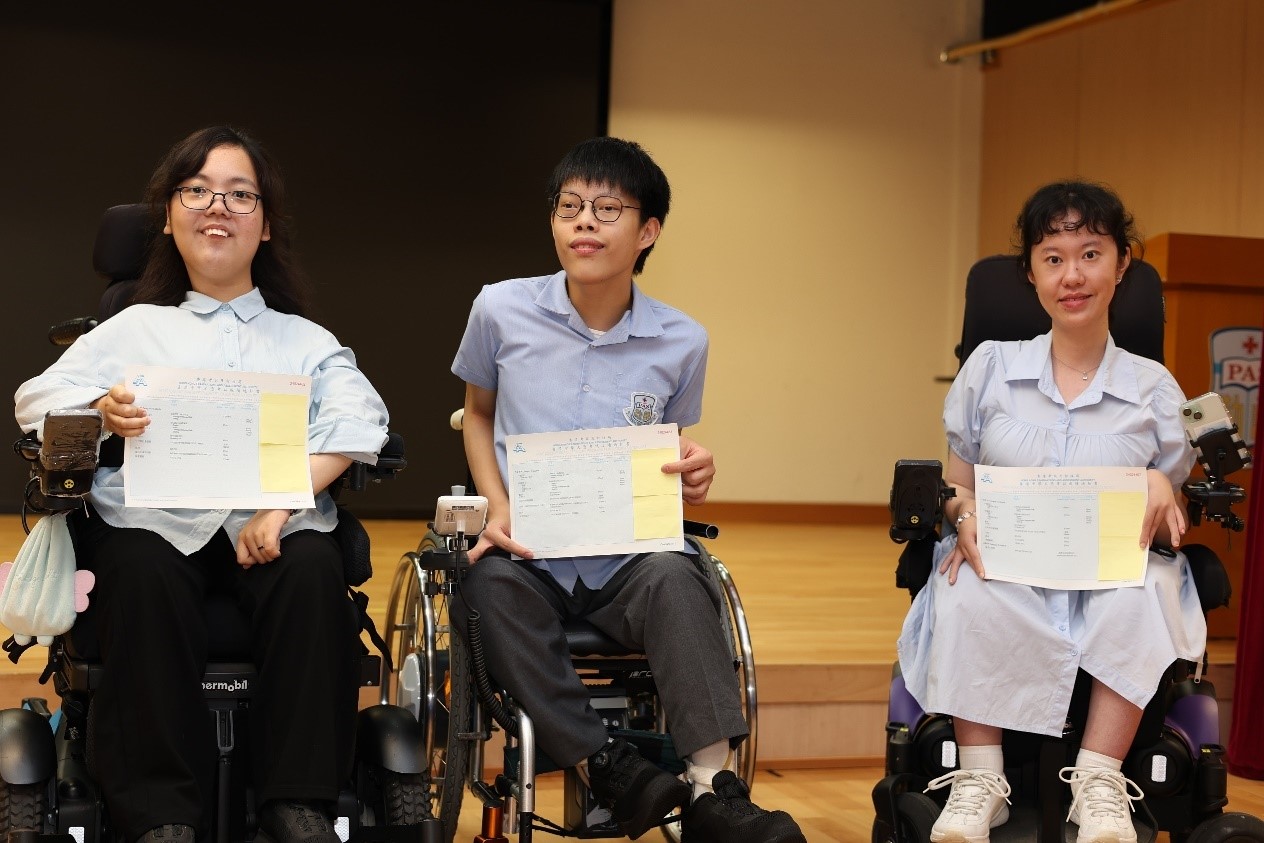 |
Lai Kwan Yee scored 25 points in her best five subjects, achieving 5** in Chinese Language, and 5 in Biology and ICT. She has been admitted to the Chinese University of Hong Kong to study Chinese Language.
Pang Jing Jia scored 25 points in his best five subjects, achieving 5** in Economics and 5* in Mathematics. He has been admitted to the University of Hong Kong to study Business Administration.
Qiu Wing Yi scored 19 points in her best five subjects, achieving Level 5 in Economics. She has been admitted to Lingnan University's Social Sciences program.
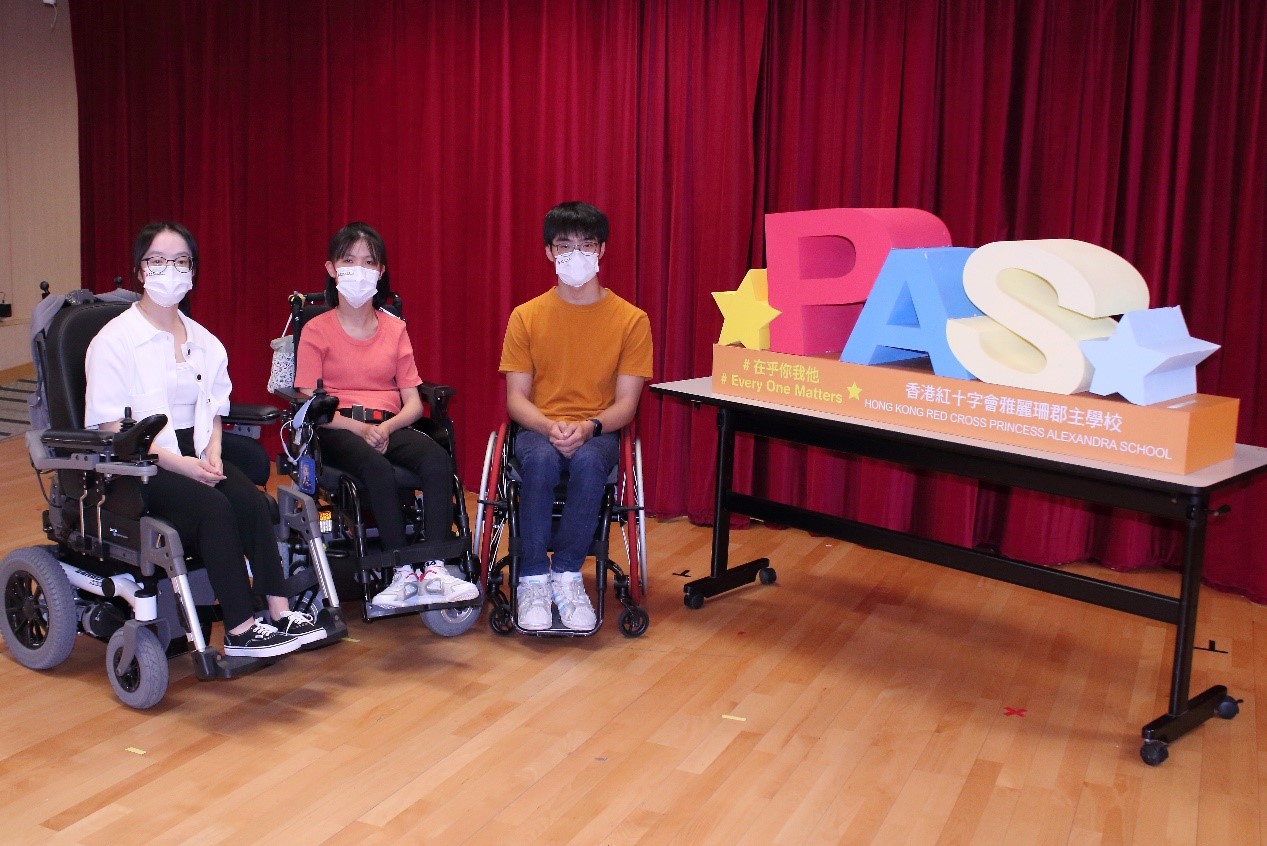 |
Chan Ho Yan scored 20 points in her best subjects, achieving Level 4 in Chinese Language, Mathematics, Liberal Studies, and Economics. She has been admitted to the Polytechnic University's Business Administration program as an athlete.
Yuen Wing Kei achieved Level 4 in Chinese Language and has been admitted to Lingnan University's Digital Arts and Creative Industries program as an athlete.
Chow Long Ho has been admitted to Lingnan University's Cultural Studies program as an athlete.
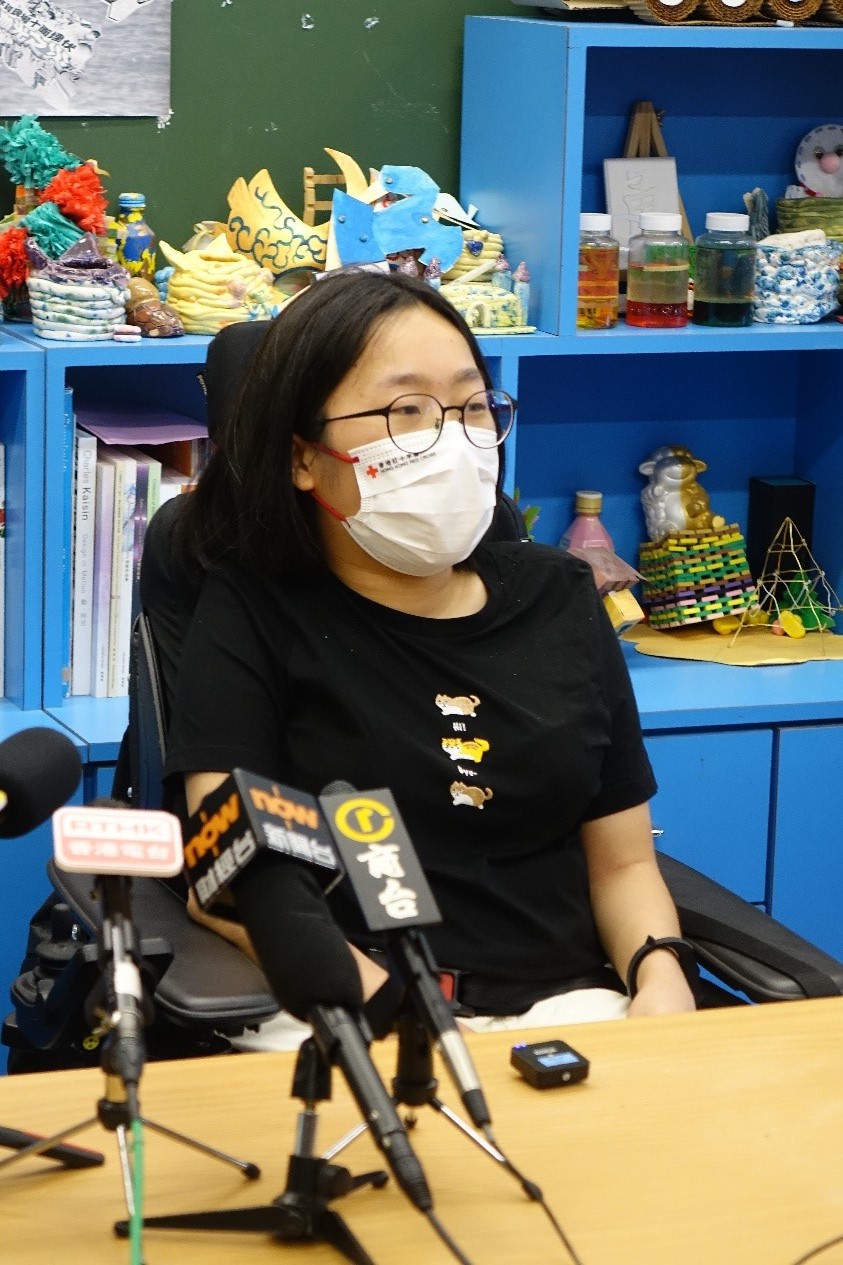 |
Lam Yuk Shan scored 23 points in her best five subjects, including 5** in Integrated Science. She achieved Level 4 in Chinese Language, Mathematics, M2, and Liberal Studies. She has been admitted to the University of Hong Kong to study Ecology and Biodiversity.
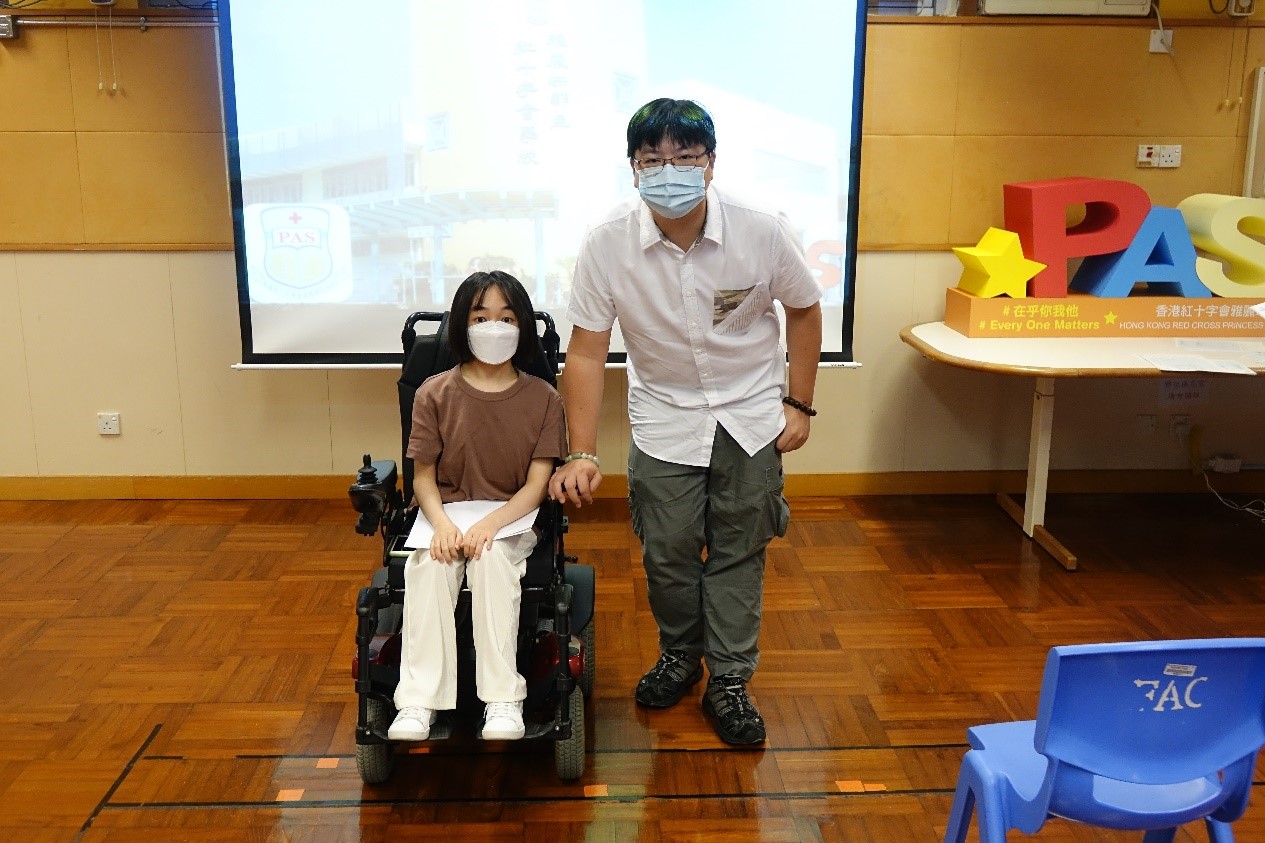 |
Yau Si Man achieved Level 5 in Chinese Language, Level 4 in Mathematics, M2, Liberal Studies, and Economics.
School-based Adapted Curriculum
Introduction to School-based Adapted Curriculum
By adapting the curriculum in line with the concept of the 'One Curriculum Framework for All' as the mainstream curriculum, we aim to expand future employment pathways for students whose academic performance is less than ideal. We hope to develop a positive learning attitude, character, sense of responsibility, self-confidence, and a proactive outlook on life in students with physical disabilities and multiple impairments through vocational guidance and a practical curriculum. This approach will inspire their potential and lay the foundation for lifelong learning, preparing them to integrate into and serve the community in the future.
|
|
S3B |
S5B |
S6B |
S6E1 |
S6E2 |
|
Chinese Language |
|
|
|
|
|
|
English Language |
|
|
|
|
|
|
Mathematics |
|
|
|
|
|
|
公社/生社/公經社 |
|
|
|
|
|
|
Science |
|
|
|
|
|
|
Chinese History |
|
|
|
|
|
|
BAFS |
|
|
|
|
|
|
Computer Studies/ICT/ICT |
|
|
|
|
|
|
Health Management and Social Care |
|
|
|
|
|
|
Visual Arts |
|
|
|
|
|
|
Music |
|
|
|
|
|
|
Putonghua |
|
|
|
|
|
|
Physical Education |
|
|
|
|
|
|
Physical and Arts Activities |
|
|
|
|
|
|
Weekly Meeting |
|
|
|
|
|
|
Class Teacher Lesson |
|
|
|
|
|
|
Life Skills Training |
|
|
|
|
|
|
工作/Work/Vocational Training |
|
|
|
|
|
|
Life and Career |
|
|
|
|
|
|
Non-Chinese Language Support |
|
|
|
|
|
Development Objectives of School-based Adapted Curriculum
Exam Arrangement of School-based Adapted Curriculum
Other Strategies
Past students' career pathways
Actual Classroom Situation
1. Qualification Framework Course
|
|
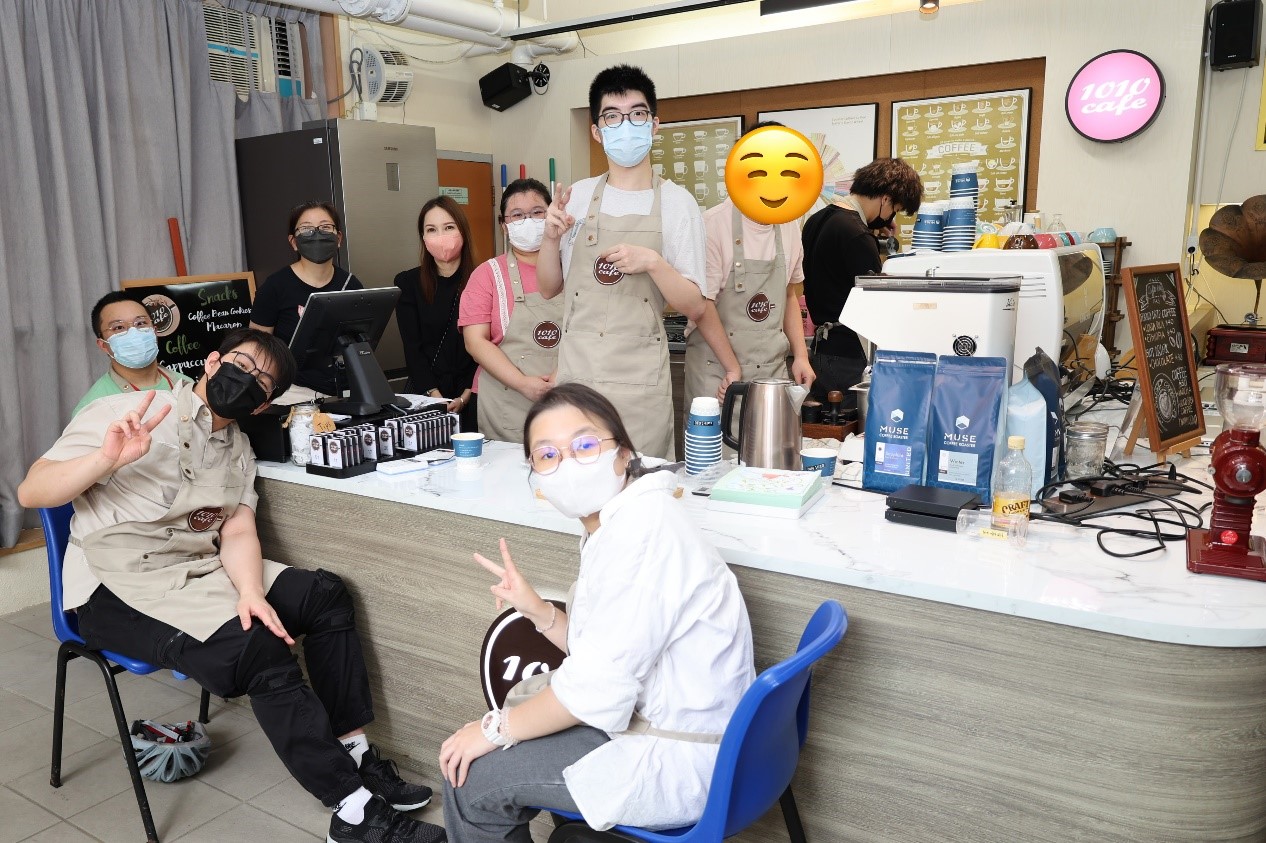
Receiving training at the customized in-school "Café 1010".
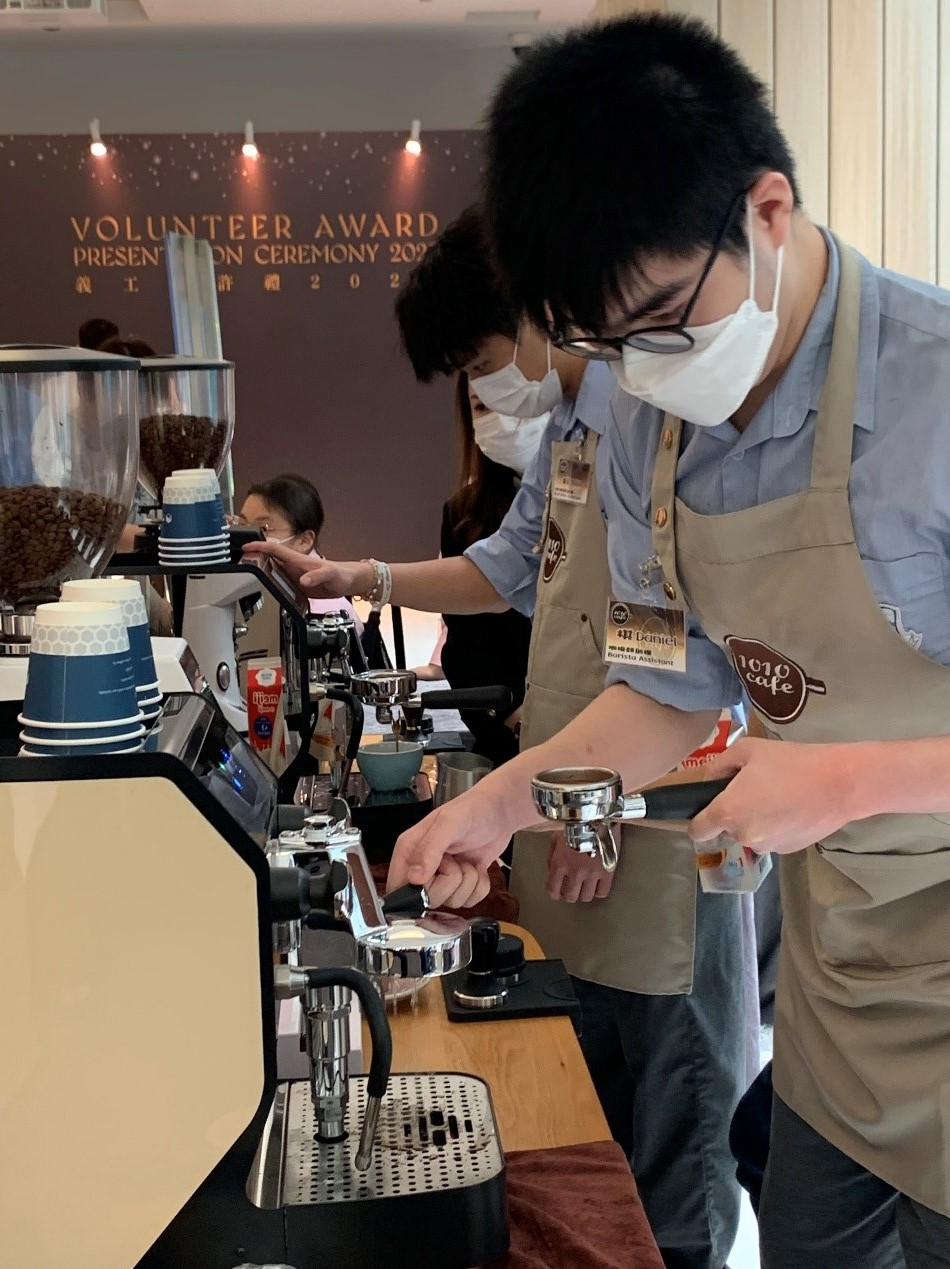 |
Invited to the Hong Kong Red Cross Volunteer Award Presentation Ceremony 2023 to prepare coffee on-site for attendees.
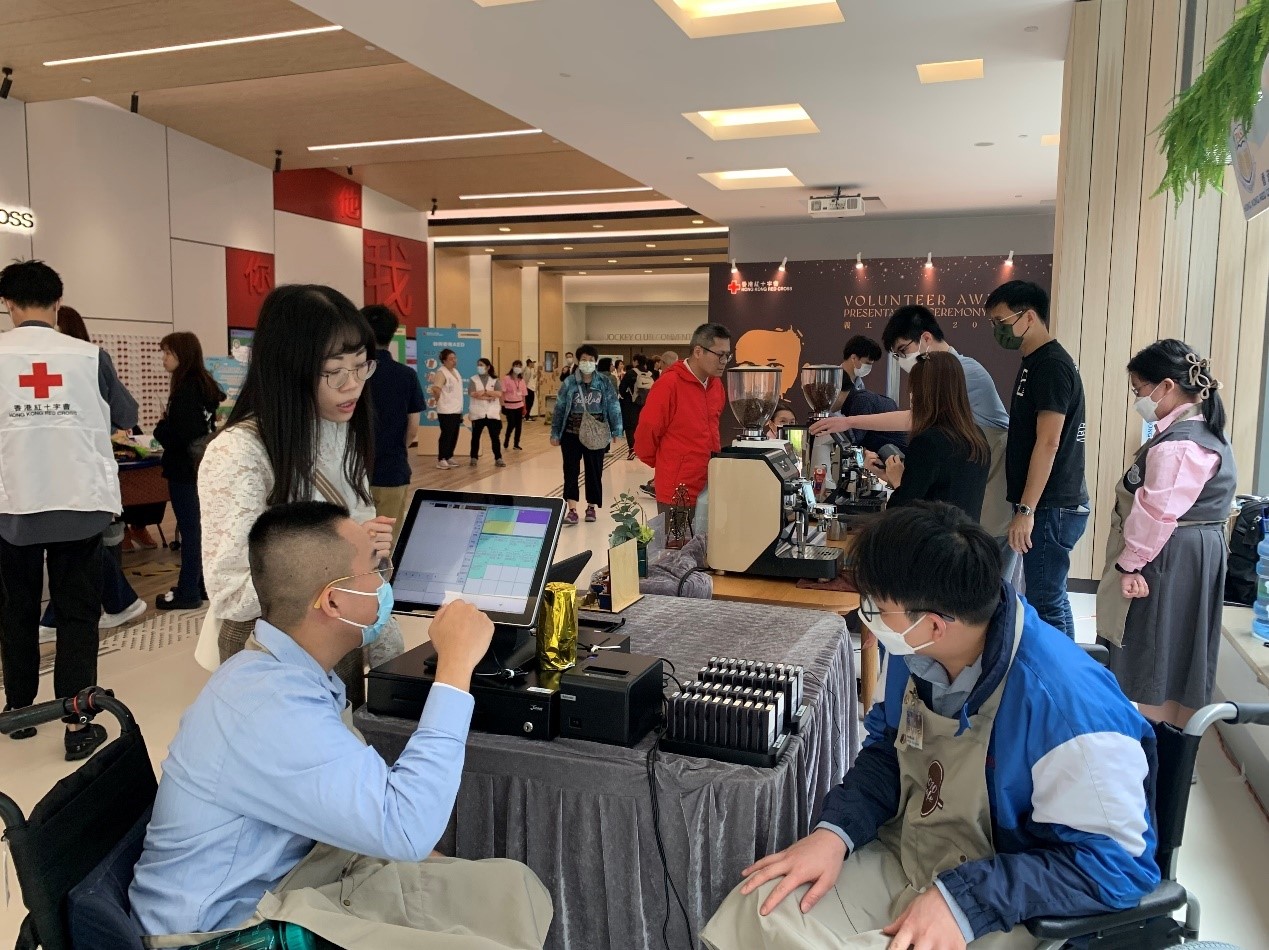 |
Experience real-world work settings to expand work-related experiences
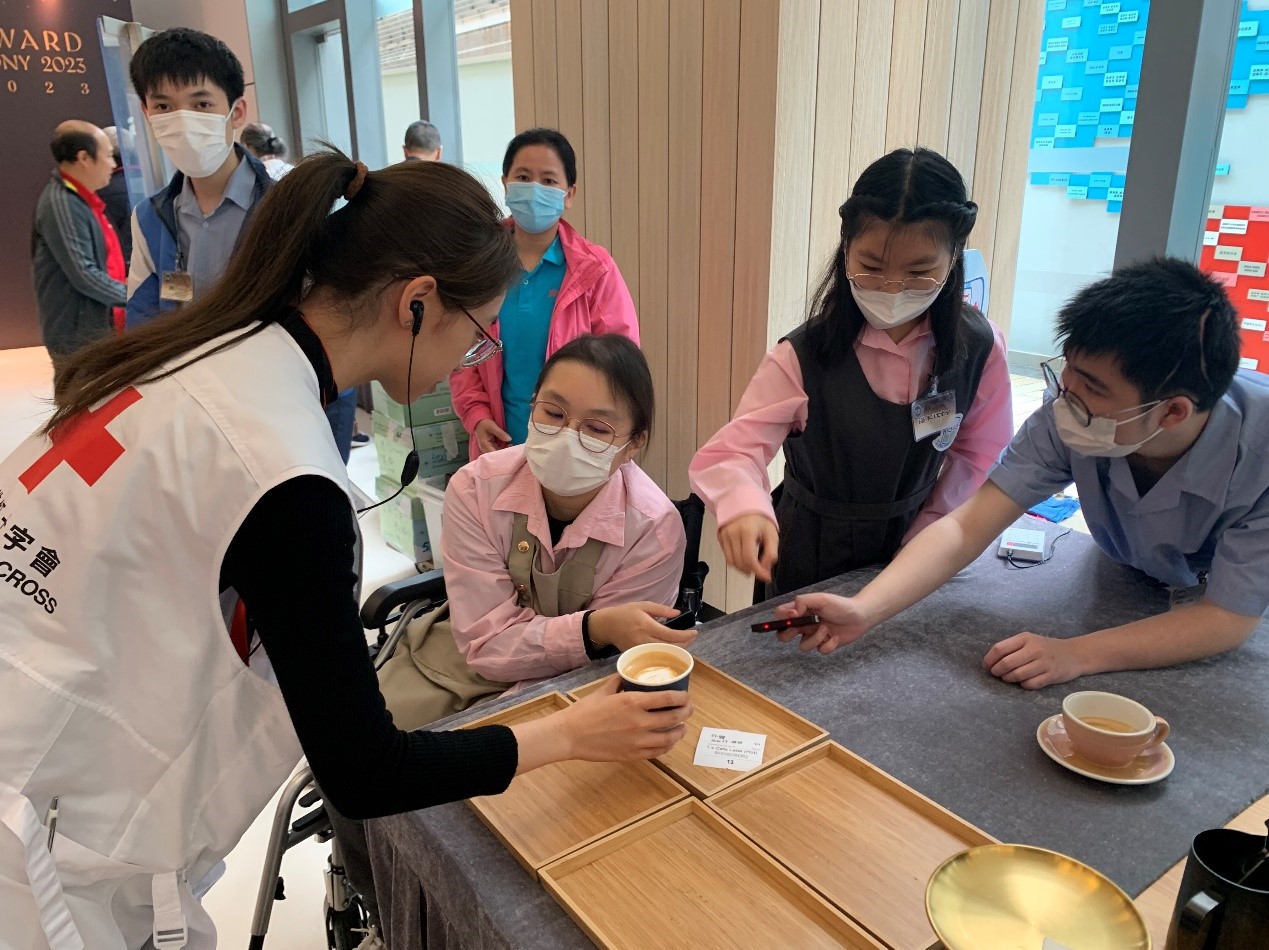 |
Experience real-world work settings to expand work-related experiences
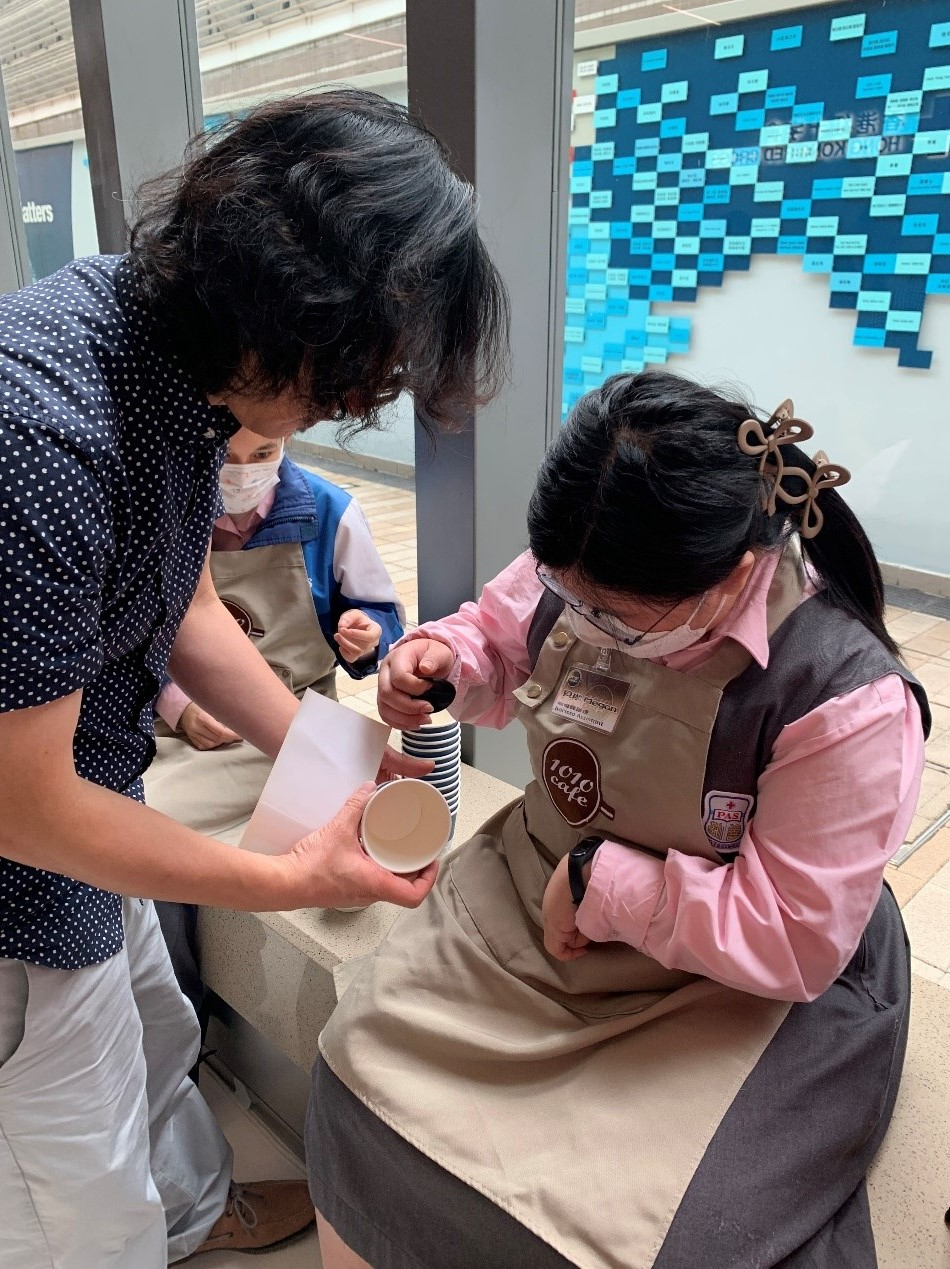 |
Putting students at the center, maximizing potential
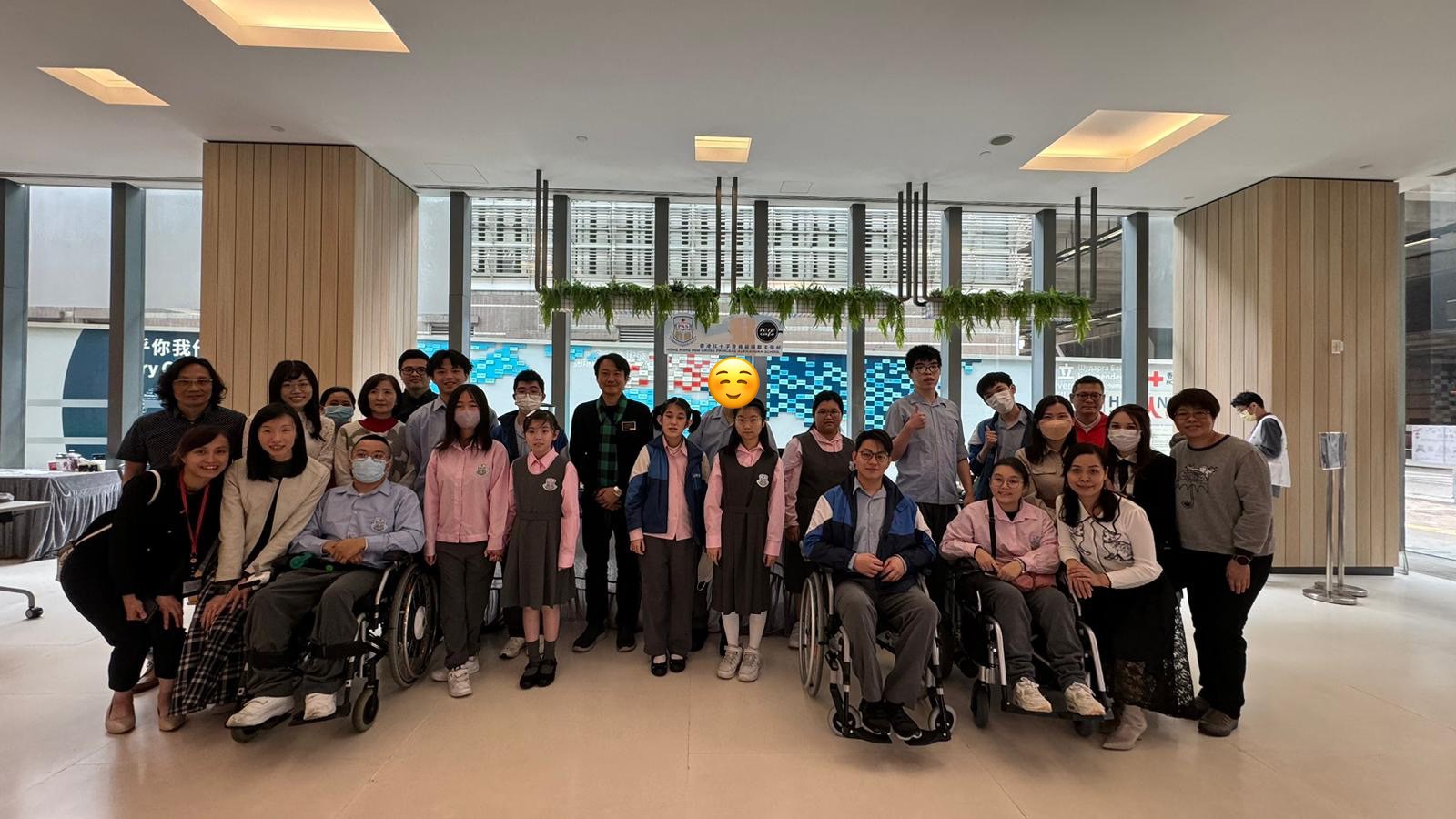 |
Collaboratively planning, implementing, and executing through transdisciplinary collaboration
2. Life Skills Lesson
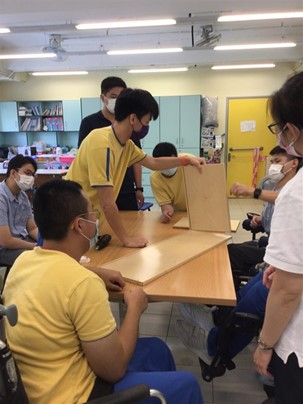 |
Assembly a chest of 3 drawers
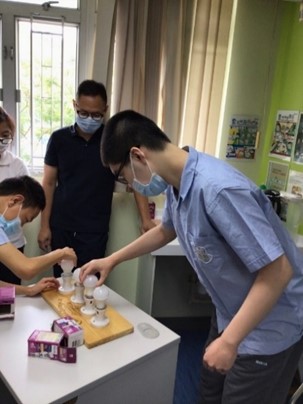 |
Replace a light bulb
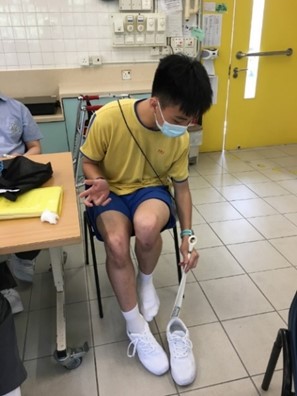 |
Using a shoe rack
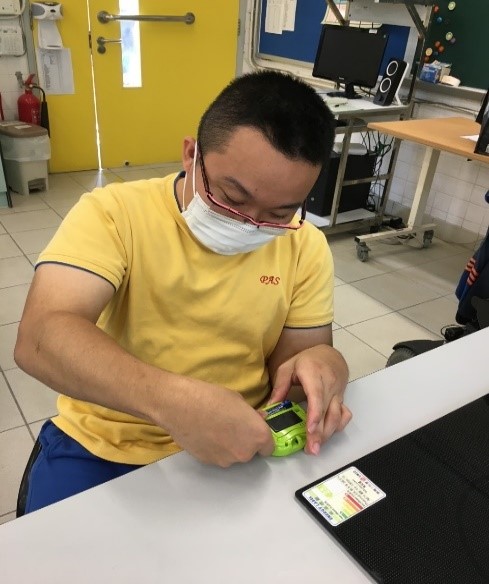 |
Replace timer battery
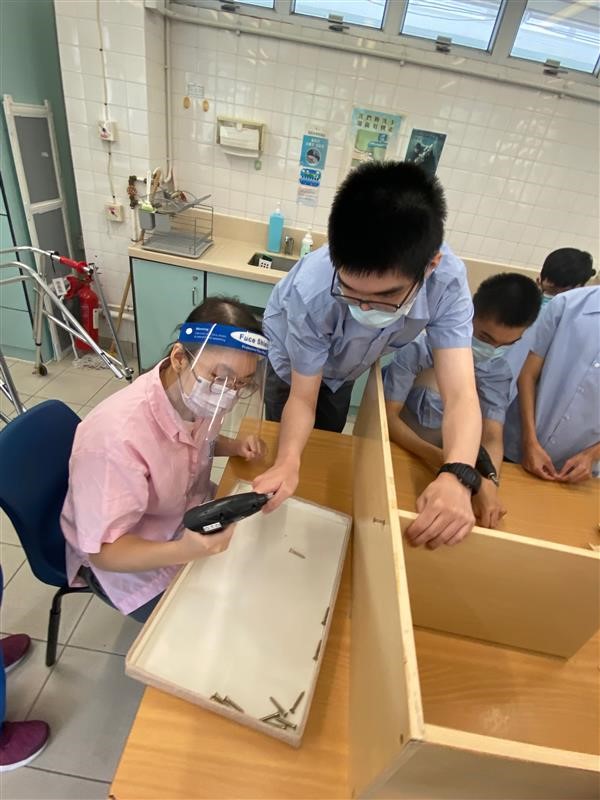 |
Using an electric screwdriver
Adapted Curriculum
The Adapted Curriculum is a school-based curriculum designed for students with mild intellectual disabilities. Under the 'One Curriculum Framework for All', it adjusts the content, learning pace, and expected learning outcomes according to the individual abilities and actual needs of each student.
Introduction to Adapted Curriculum
The Adapted Curriculum offers a total of three classes: MoMHC, MoMHB and MOMHA. The curriculum is designed and implemented using. The curriculum is designed and implemented using transdisciplinary collaboration. The goal is to integrate knowledge, common competencies, values, and attitudes across different stages of learning, fostering students' correct values and attitudes, promoting their holistic development, and cultivating their abilities for lifelong and autonomous learning. Additionally, it aims to cater to students' individual abilities and characteristics, unleash their potential, and enhance their capacity for independent living to meet future life and work needs, thereby facilitating their integration into society.
|
|
MoMHC |
MoMHB |
MoMHA |
|
Weekly Meeting |
|
|
|
|
Class Teacher Lesson |
|
|
|
|
Morning Exercise |
|
|
|
|
Chinese Language |
|
|
|
|
Practical English |
|
|
|
|
Language(Speaking) |
|
|
|
|
Reading |
|
|
|
|
Technology and Living |
|
|
|
|
Computer Studies/ICT |
|
|
|
|
Mathematics |
|
|
|
|
General Studies |
|
|
|
|
Citizenship and Social Development |
|
|
|
|
Life Skills Training |
|
|
|
|
Science |
|
|
|
|
Work/Vocational Training/Life and Career |
|
|
|
|
Physical Education |
|
|
|
|
Music |
|
|
|
|
Visual Arts |
|
|
|
|
Physical and Arts Activities |
|
|
|
|
Non-Chinese Language Support |
|
|
|
Development Objectives of Adapted Curriculum
Exam Arrangement of Adapted Curriculum
圖及文字X3
Learning and Teaching Support Strategies for All Curriculum
Learning and Teaching Support Policies
Catering for Learning Differences